Resetting Your Morning Routine: Small Adjustments for Creative Focus
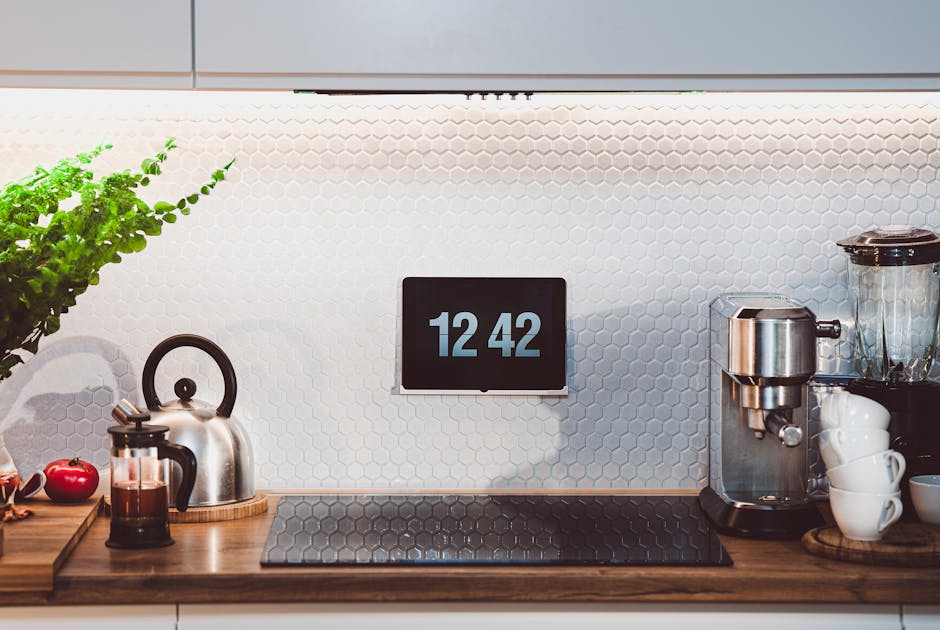
At the kitchen counter, the coffee maker gurgles softly, a familiar sound that should signal the start of a productive day. Yet, as I reach for my favorite mug, a phone notification buzzes insistently from the hallway drop zone, pulling my attention away from the morning routine. I glance at the screen, and suddenly, the simple act of pouring coffee becomes a distraction-laden affair. The intention to reset after a late finish last night slips further away as I juggle thoughts of responding to messages while trying to remember if I checked the weather for the day.
In this moment, the small habit of preparing for the day feels like a race against time. I realize I forgot to move the umbrella from the hallway to the door, a simple adjustment that could have saved me from a soggy commute. Instead, I’m left scrambling to gather my things, losing focus on what I had planned for the morning. This friction, a blend of interruptions and missed checks, highlights how easily good intentions can derail when the routine isn’t set up to support them. A quick check before leaving the room could have made all the difference, but now, I’m left wondering how to regain that focus before the day truly begins. The Morning Routine That Starts Too Late At the kitchen counter, breakfast items lay scattered: a half-finished cup of coffee, a bowl of cereal waiting to be poured, and my phone buzzing incessantly with notifications. The clock on the wall ticks closer to the hour I should have left. I glance at the screen, realizing I’m running late, and the urgency settles in. The small habit of checking the weather, which should have been a simple part of my morning routine, gets lost in the chaos. Instead of a smooth start, I’m left scrambling to gather my things, feeling the pressure of the ticking clock.
In the midst of this rush, I remember the umbrella that never made it to the door. It’s still leaning against the hallway drop zone, a silent reminder of my disorganized evening routine. I should have moved it there last night, but now it’s just another item on my mental checklist that distracts me from focusing on the day ahead. A quick check before leaving the room could have ensured I was prepared, but instead, I’m left with the weight of forgotten tasks and the nagging feeling that my good intentions are slipping away as I pour the cereal in haste.
Where the Routine Begins to Slip
Standing at the kitchen counter, I reach for my phone to check the weather, a small habit that should help me prepare for the day ahead. But just as I’m about to tap the screen, a notification pings loudly, pulling my attention away. That single distraction sets off a chain reaction. Instead of focusing on what I need to wear, I find myself scrolling through messages, losing precious minutes in the process.
Meanwhile, the umbrella that should have been moved to the door from the hallway drop zone remains forgotten, leaning against the wall, a silent testament to my disorganized evening routine. If I had taken the time last night to place it by the door, I wouldn’t be faced with the last-minute scramble to find it now. This missed check not only delays my exit but also adds to the chaos of my morning, leaving me feeling unprepared and scattered.
As I pour cereal into a bowl, I can’t shake the anxiety of forgotten tasks. The weather check, which could have been a simple action to anchor my focus, has now become another item on the mental checklist I’m racing against. I realize that the small habit of preparing the night before could have transformed this morning’s routine into a smoother, more focused start. Instead, I’m left with the weight of disorganization, and the day hasn’t even begun.
What Gets Missed in the Morning Check
Standing at the kitchen counter, I can feel the clock ticking down as I prepare for another late-start weekday morning. My focus is scattered, and I know I need to streamline my routine. Yet, there are specific checks that often slip through the cracks, leading to unnecessary chaos.
- Check the weather: A quick glance at my phone’s weather app could save me from being caught in unexpected rain. If I don’t check, I risk leaving without an umbrella, which is currently leaning against the wall in the hallway drop zone.
- Ensure the umbrella is at the door: Moving the umbrella from the hallway to the door seems trivial, but it prevents last-minute scrambling. If I had made that small adjustment last night, I wouldn’t be frantically searching for it now.
- Set out clothes the night before: Choosing my outfit in the evening instead of the morning eliminates decision fatigue. This simple habit allows me to grab what I need quickly, helping me maintain focus as I prepare for the day.
These overlooked checks create friction that derails my morning reset. Good intentions alone won’t cut it; without these small habits in place, I’m left feeling unprepared and rushed. The next time I find myself at the kitchen counter, I’ll remember to make these adjustments a priority.
Adjusting the Sequence for a Smoother Start
A slightly different version of this problem appears in Everyday Life In The, where the sequence changes but the hidden drag feels familiar.
Standing at the kitchen counter, I often find myself staring at a cluttered space that feels overwhelming. Last night, I left dishes piled up and the coffee maker still out from breakfast. This visual chaos makes it hard to focus on what I need to do next. A simple adjustment could change this: preparing the kitchen counter before I go to bed. By clearing the counter and putting away any stray items, I create a fresh start for the morning, reducing the distractions that can derail my focus.
Another small yet impactful change is setting my phone to 'Do Not Disturb' for the first 15 minutes after I wake up. This prevents notifications from interrupting my morning reset. When I forget to do this, the ping of a message pulls me into a vortex of distractions before I even have a chance to gather my thoughts. Instead of diving into my phone, I can check the weather or plan my day without interruptions. This minor sequence change allows me to prioritize my routine without feeling rushed.
To enhance this setup, I’ve started placing my umbrella by the door before heading to bed. It’s a simple step that ensures I’m prepared for whatever the weather throws at me. If I miss this, I risk leaving the house unprepared, which adds unnecessary stress to my morning. These small adjustments in my evening routine create a smoother flow when I start my day, allowing me to focus better on my creative tasks ahead.
Carrying Forward the New Habit
If this pattern keeps repeating, Daily Routines Real Life extends the idea without leaving the niche.
The transition from a late start to a more structured morning can feel like a small victory, but its effects ripple throughout the day. After implementing a simple habit of checking the weather at the kitchen counter before breakfast, I notice a marked difference in my focus during the first work session. This small act, which once felt like an afterthought, has become a crucial part of my morning routine. The act of looking outside or glancing at the weather app on my phone grounds me. It sets a positive tone and prepares me mentally for what lies ahead.
In the past, I would often rush to grab my bag, only to realize I forgot my umbrella, which I had left in the hallway drop zone. This oversight added an unnecessary layer of stress to my morning, distracting me from the creative tasks waiting on my desk. Now, placing the umbrella by the door as part of my evening routine ensures I'm ready for any weather. This small adjustment means I can leave the house with confidence, knowing I won’t be caught off guard. The cumulative effect of these changes creates a smoother flow, allowing me to dive into my work with clarity and purpose.
By prioritizing these minor checks and adjustments, I’ve built a foundation that supports my creative focus. Each morning feels less chaotic, and I can engage with my tasks more fully without the nagging worry of what I might have forgotten. This routine, while simple, has proven to be a powerful tool in my daily reset, making it easier to transition from home life to work life.
As I stood at the kitchen counter, the phone buzzed with a notification, pulling my attention away from the simple task of preparing breakfast. This interruption highlighted the friction that often derails my late-start mornings. The umbrella, still sitting in the hallway drop zone, served as a reminder of how easily I can overlook small but crucial details. A quick check of the weather before leaving the room could have prevented a last-minute scramble for rain gear, allowing me to focus on my creative projects instead.
Incorporating these minor adjustments into my evening routine—like moving the umbrella closer to the door—has made a noticeable difference. Each small habit contributes to a smoother morning, reducing the chaos that can cloud my focus. By prioritizing these checks, I can create a more intentional start to my day, ensuring that I’m not just ready to leave but also mentally prepared to engage with my work. Next time, I’ll set a reminder on my phone to check the weather before heading to bed, reinforcing the habit of a calm, organized morning.


